You have no items in your shopping cart.



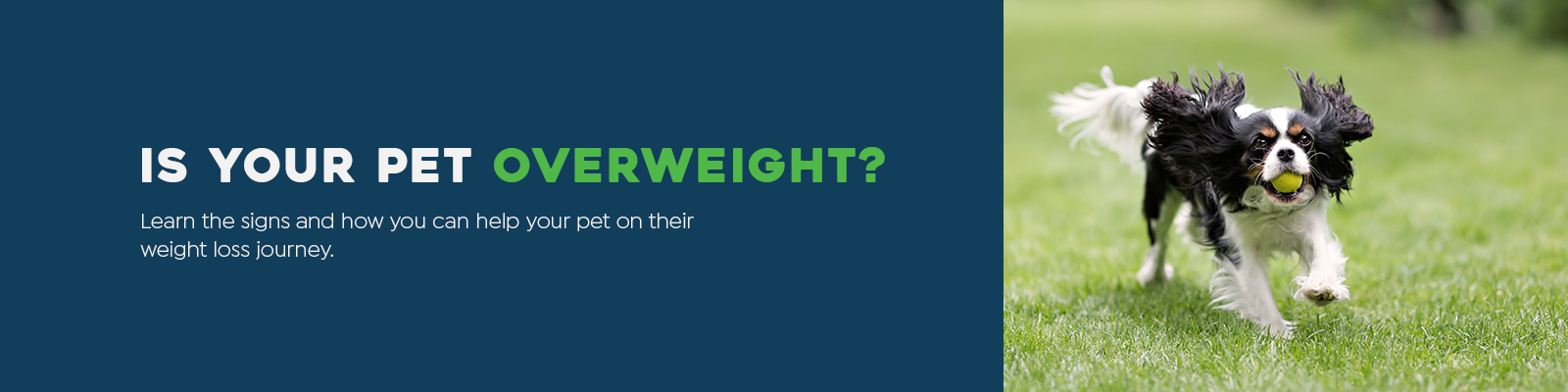
Did you know that almost half of pets in South Africa are overweight or obese? Many of us don't realise that our dogs are overweight because the weight gain often takes place gradually and is easy to overlook. Being as little as 20% overweight can significantly increase your dog's risk of developing serious health conditions such as diabetes mellitus, osteoarthritis, urinary stones or heart disease. Reaching and maintaining a healthy weight reduces your pet's risk of disease and injury and helps them lead a healthier, longer life. We're here to outline how to recognise if your dog or cat is overweight, what treatment methods are best and how to maintain a healthy weight to ensure your pet lives a healthy and happy life.

It's important to have an honest conversation with your vet about your pet's weight. You can also use the above guide to assess your pet's body composition and determine if their weight is where it needs to be. Most veterinary practices use a body condition scoring system on a scale of 1-5, where 3 is ideal, or a scale of 1-9, where 5 is ideal.

Age Older pets are less active, have less energy and require fewer calories. Breed Breed Some breeds are more likely to gain weight.Overfeeding Dogs with unlimited access to food naturally eat more than needed. Neutering/spaying The basic metabolism of the pet is lowered after they have been sterilised.

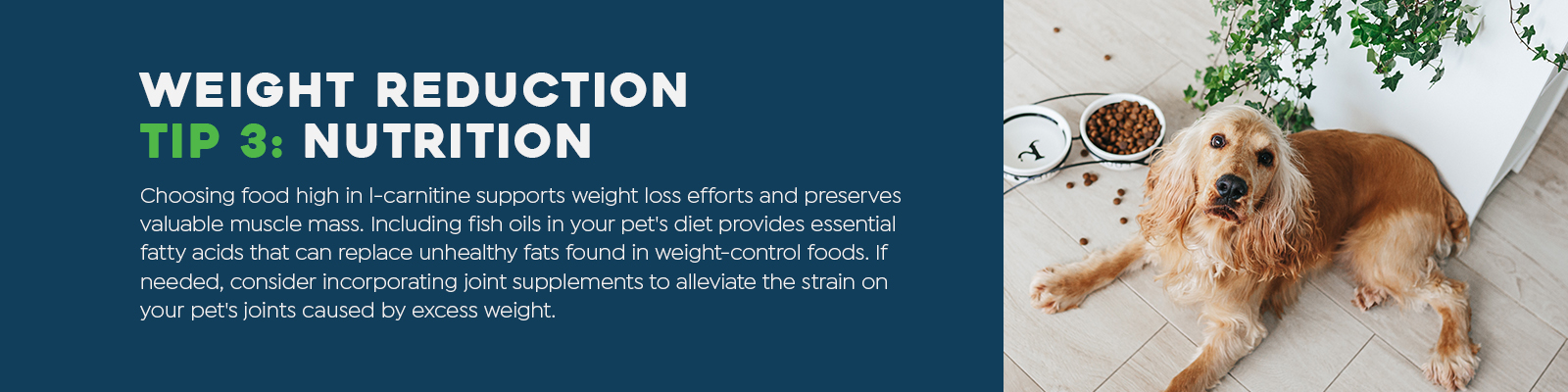
To help your pet shed excess weight and maintain a healthy physique over time, you can make small changes in a few areas of their life to support the process: 1. Exercise: increased exercise and playtime helps your pet burn more calories.2. Choosing the right food: choose diet-specific foods and closely monitor the portion size and frequency of meals. 3. Nutrition: Weight-loss diets help incorporate the right ingredients to improve weight-loss efficiency.4. Regular weight checks: Keeping a close eye on weight fluctuation helps you to understand what methods work and don't work. ove the efficiency of weight loss.
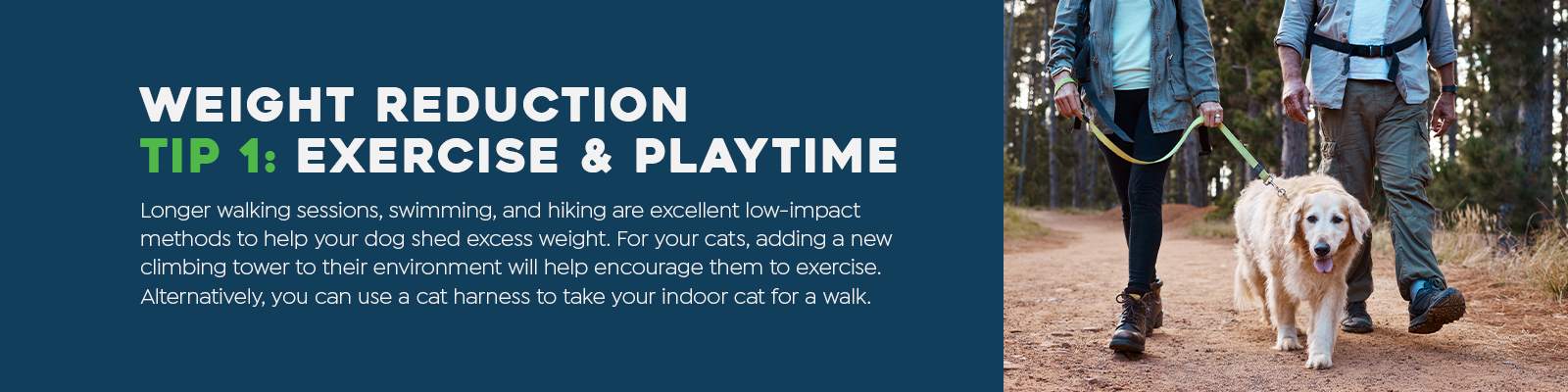
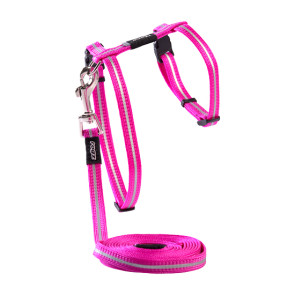
Exercise and Playtime
Shop All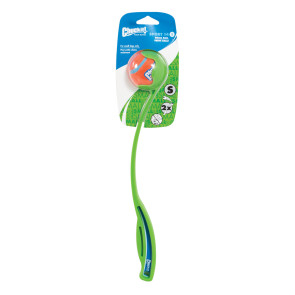
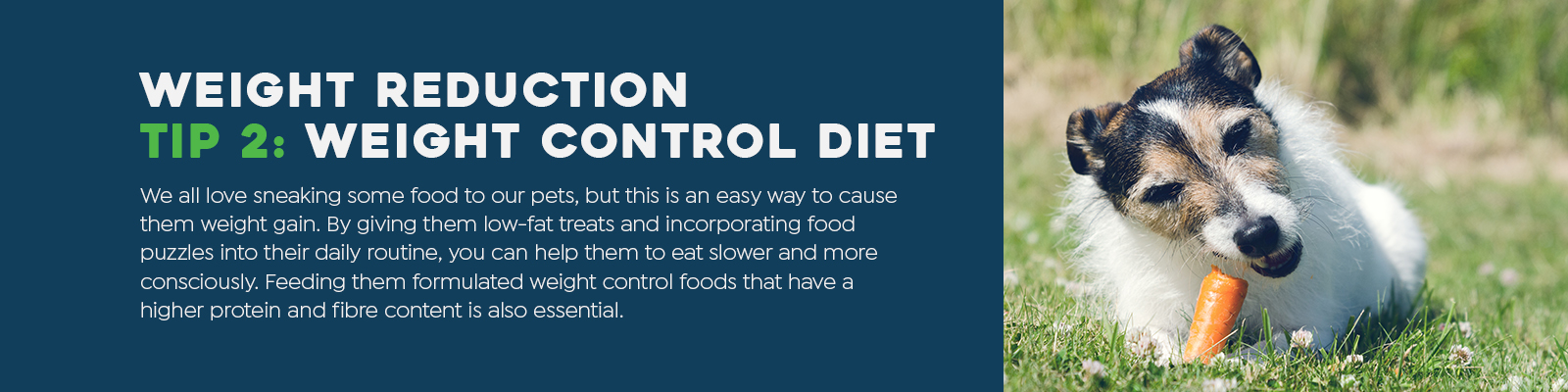
Weight Control Diet
Shop All