
You have no items in your shopping cart.



A Guide to Switching Dog Food

Switching from puppy to adult food is one of the most important diet transitions in your dog's life. Done right, it sets them up for a healthy adult weight and a settled digestive system. Done wrong, it causes stomach upsets and nutritional gaps during a critical growth window. This guide is for educational purposes. Your vet can advise on the right timing for your specific breed and size.
The switch timing depends on your dog's adult size - not their age in months alone. Large and giant breeds finish growing much later than small breeds and switching them too early is one of the most common mistakes.
- Toy breeds (under 10 kg): switch at 9 to 12 months
- Small breeds (10 to 25 kg): switch at 12 months
- Medium breeds (25 to 45 kg): switch at 12 to 15 months
- Large breeds (45 to 70 kg): switch at 18 to 24 months
- Giant breeds (over 70 kg): switch at 18 to 24 months - some vets recommend waiting the full 24
Signs your puppy is ready: They have reached most of their expected adult size and their growth has visibly slowed. If in doubt, your vet can confirm with a weight and body condition check.
How to Transition: The 7-Day Schedule
Never switch food overnight. A sudden change is the most common cause of diarrhoea in dogs and it has nothing to do with the new food being wrong - it is simply the gut microbiome adjusting. A gradual transition avoids this completely.
- Days 1 to 2: 75% puppy food, 25% adult food
- Days 3 to 4: 50% puppy food, 50% adult food
- Days 5 to 6: 25% puppy food, 75% adult food
- Day 7 onwards: 100% adult food
If your dog has loose stools at any point, hold at that ratio for an extra day or two before moving forward. Adding a probiotic during the transition helps stabilise gut bacteria.
Some dogs develop a genuine intolerance to an ingredient rather than just an adjustment reaction. These signs go beyond the first two or three days of transition:
- Loose stools or diarrhoea lasting more than 3 days into the transition
- Vomiting after meals
- Excessive gas or bloating
- Skin itching that begins after the switch
- Persistent refusal to eat the new food
If these occur, return to puppy food and consult your vet before attempting the switch again with a different adult formula.
Shop Digestive Care
Shop All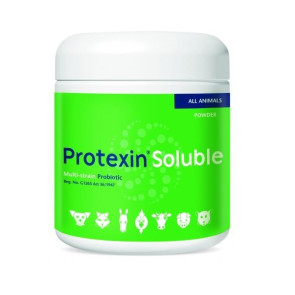
Protexin Dog & Cat Probiotic Supplement
4.9
(51)
R215.00
with Schedule & Save
R229.00 once-off
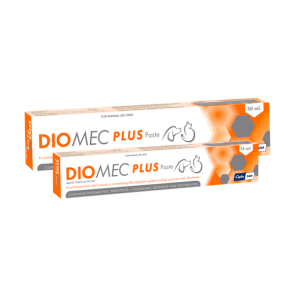
Diomec Plus Paste Dog & Cat Diarrhea Supplement
4.9
(12)
R270.00
with Schedule & Save
R280.00 once-off
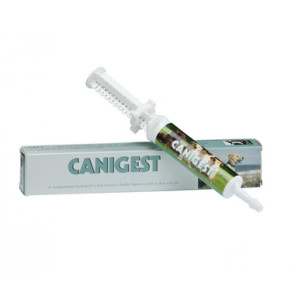
Afrivet Canigest Dog & Cat Probiotic
4.7
(4)
R305.00
with Schedule & Save
R319.00 once-off
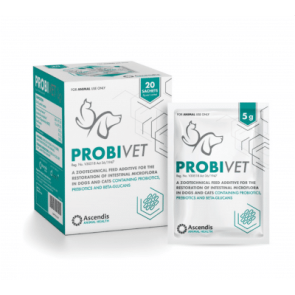
Probivet Pet Pre & Probiotic Sachets - Box of 20
4.9
(3)
R460.00
with Schedule & Save
R480.00 once-off
Save R53.50
Devoted by Nature AniFlax Supplement for Pets 200ml
0
(0)
R102.00
with Schedule & Save
R107.00
R53.50 special
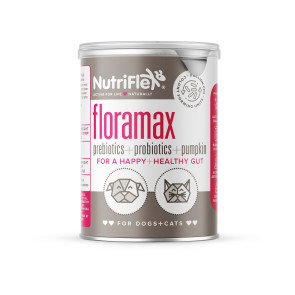
NutriFlex FloraMax Natural Cat & Dog Probiotics - 180g
0
(0)
R285.00
with Schedule & Save
R295.00 once-off
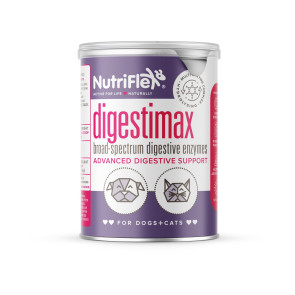
Nutriflex DigestiMax Extra-Strength Cat & Dog Probiotics - 180g
0
(0)
R335.00
with Schedule & Save
R345.00 once-off
What to Look for in Adult Dog Food
The jump from puppy to adult food is also a good moment to assess whether the brand you are on is the right one long-term. Here is what the label should tell you:
- Named protein first: chicken, beef, lamb or fish - not "meat meal" or "animal by-products"
- Size-appropriate formula: small, medium or large breed adult
- No artificial preservatives: avoid BHA, BHT and ethoxyquin
- Meets AAFCO or FEDIAF standards: confirms the food is nutritionally complete, not just a recipe
- Appropriate fat content: active dogs need higher fat than indoor or less active dogs